While American vets still say "watch and wait," Japan has been actively shrinking dog lumps at home naturally.
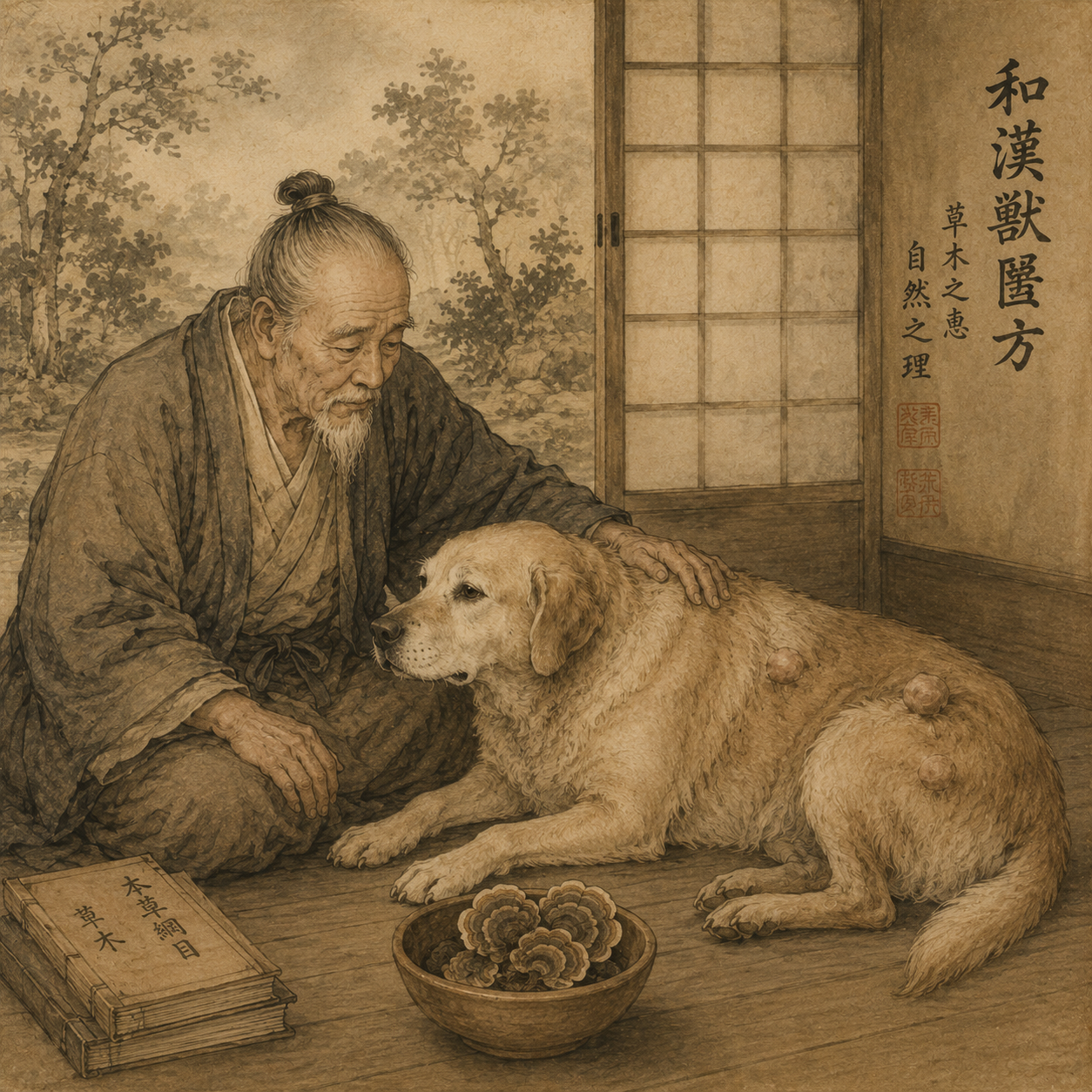
Why Holistic Dog Parents Are Switching to the Lump Protocol Japan Has Used for 1,000 Years
What they figured out about lumps a thousand years ago.
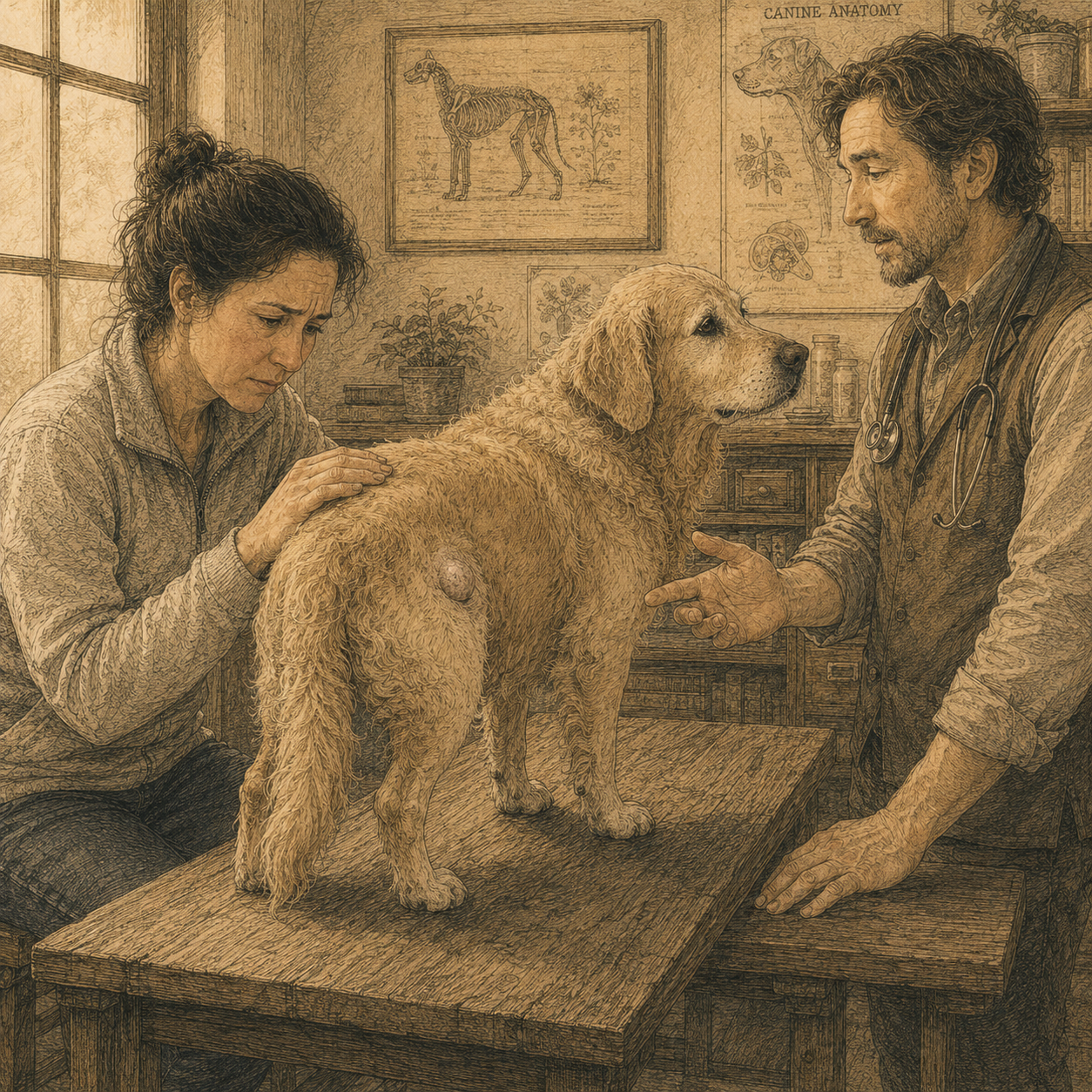
Walk into a veterinary clinic in Tokyo with a senior dog with fatty lumps, and they won’t just brush it off. Walk into a Western veterinary clinic with the same dog, and you'll almost always hear the same thing:
"It's benign. Just keep an eye on it."
Same lump. Same dog. Two completely different responses, now why is that???
Here's the part Western veterinary medicine almost never explains...
Those lumps aren't "just benign." They're called lipomas, soft pockets of fat that form when your dog's body can't clear waste fast enough. Left alone, they grow. And more keep forming.
It's a symptom of something happening underneath, and watching it or cutting it out doesn't change what's causing it.
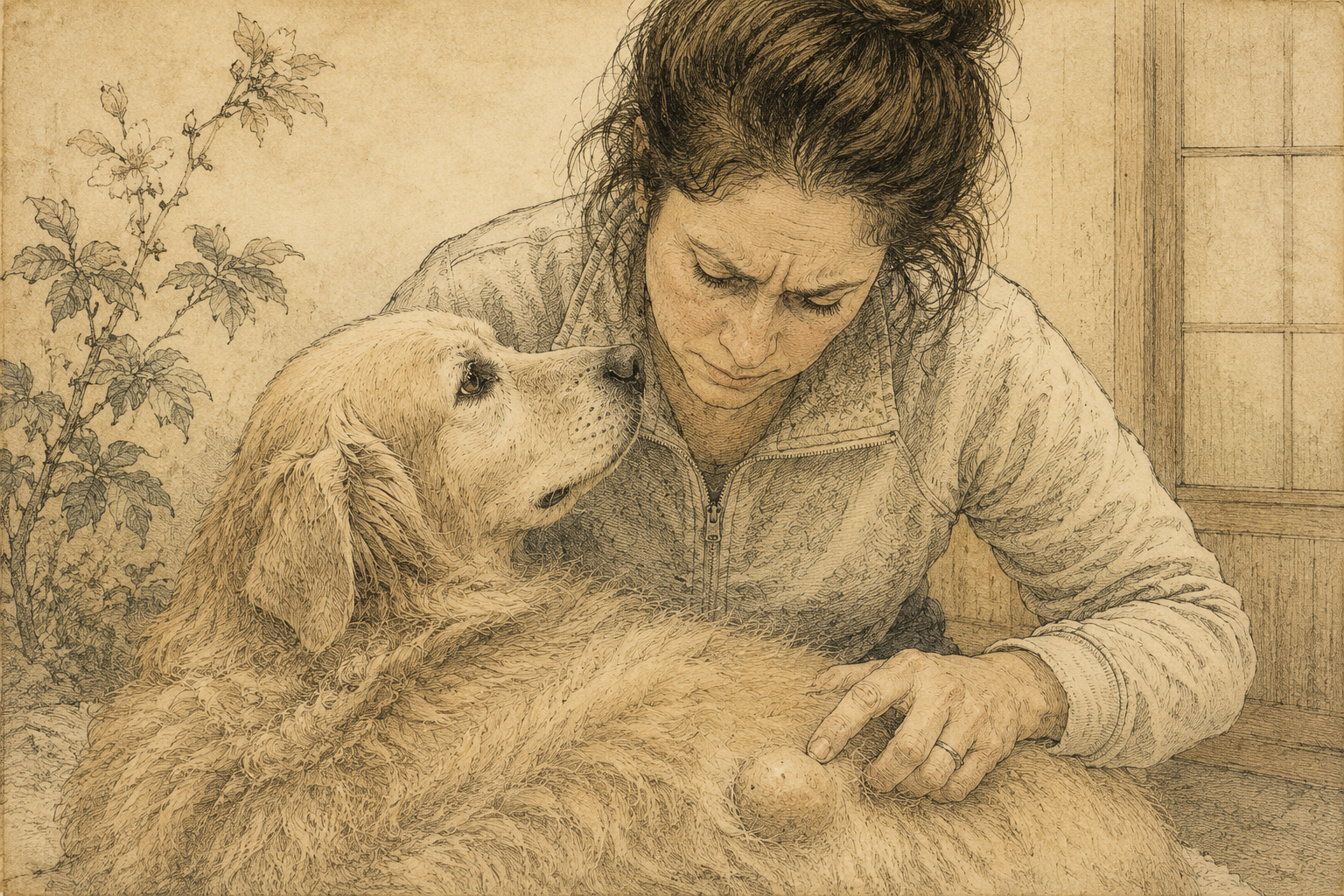
Why Western medicine misses what's underneath.
This isn't a criticism. It's just how Western medicine works.
Regular vets are trained to handle things like broken bones, infections, anything that comes on suddenly and can be fixed right away. They're great at all of that.
What they were never trained to look for is the slow stuff.
The kind that builds up over years, from things in the environment, daily stress, and the natural slowdown that comes with age. None of it shows up in a normal vet checkup. It builds quietly, year after year, without any real warning signs.
Until one day, it shows up on the outside.
Soft, painless lumps. The kind your vet measures, writes down, and calls "harmless." The kind that keeps growing no matter how many checkups you go to.
Japanese medicine never had this blind spot. They never looked at the body as separate parts. The gut, the immune system, and the body's natural cleanup process were always seen as one system working together. You can't fix one without supporting the others.
The lump was never the real problem. What caused the lump was.
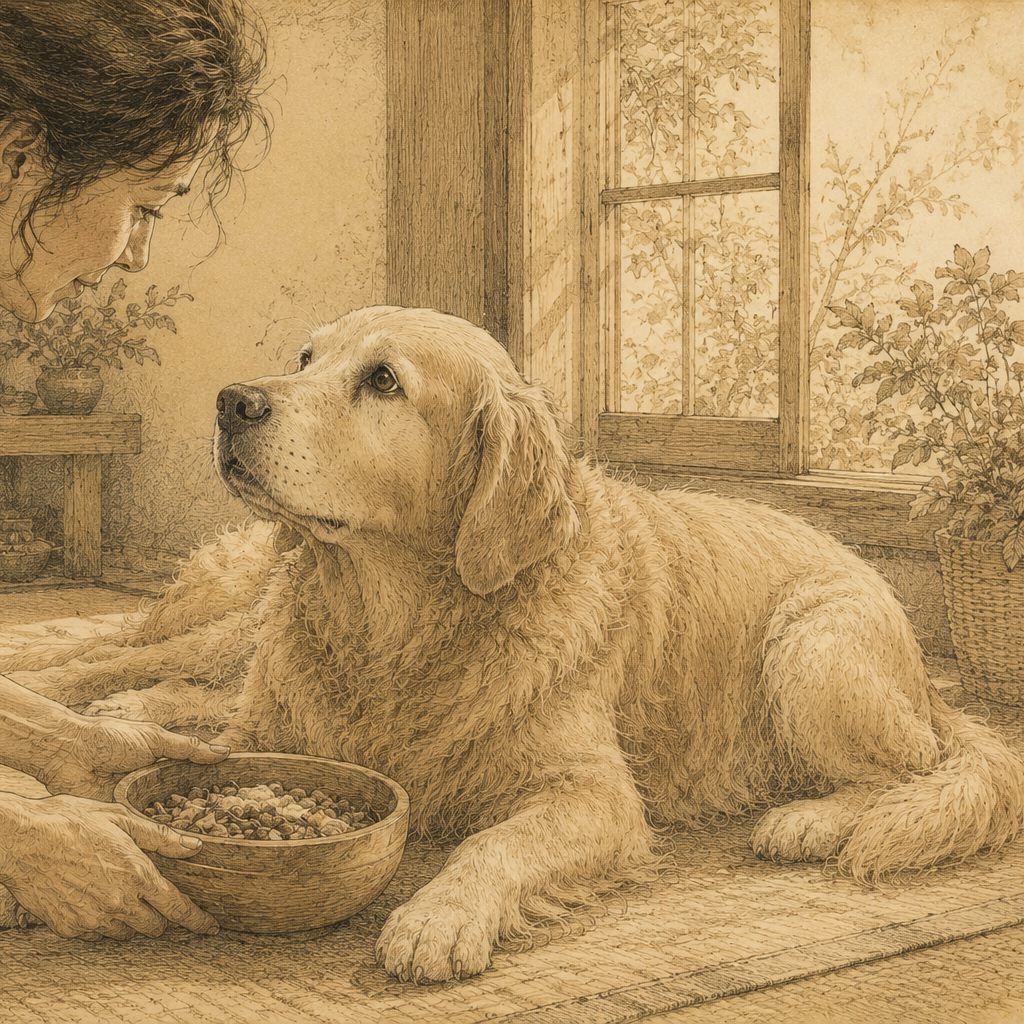
What's actually causing the lumps to form.
When holistic vets trace lipomas to a root cause, they almost always end up in one place.
The gut.
70% of your dog's immune system lives in the gut wall. The intestinal lining is where the body decides what to absorb, what to clear, and what to fight off. When the gut works, the body works. When it doesn't, everything breaks down, including the systems that keep lumps from forming.
In most modern dogs, the gut isn't in great shape.
Antibiotics wipe out good bacteria. Stress weakens the gut lining. Age slows the body's ability to stay balanced. The result is waste and inflammation building up instead of clearing out... which is often when lumps start showing up.
This is where probiotics come in.
Probiotics are the living bacteria that belong in a healthy gut. They rebuild what's been lost. They restore the signal the immune system has been missing. In dogs especially, the right strain can dramatically improve how the body uses everything coming in.
Holistic vets have known this for years. The dogs that respond best to natural protocols are the ones whose guts get rebuilt first.
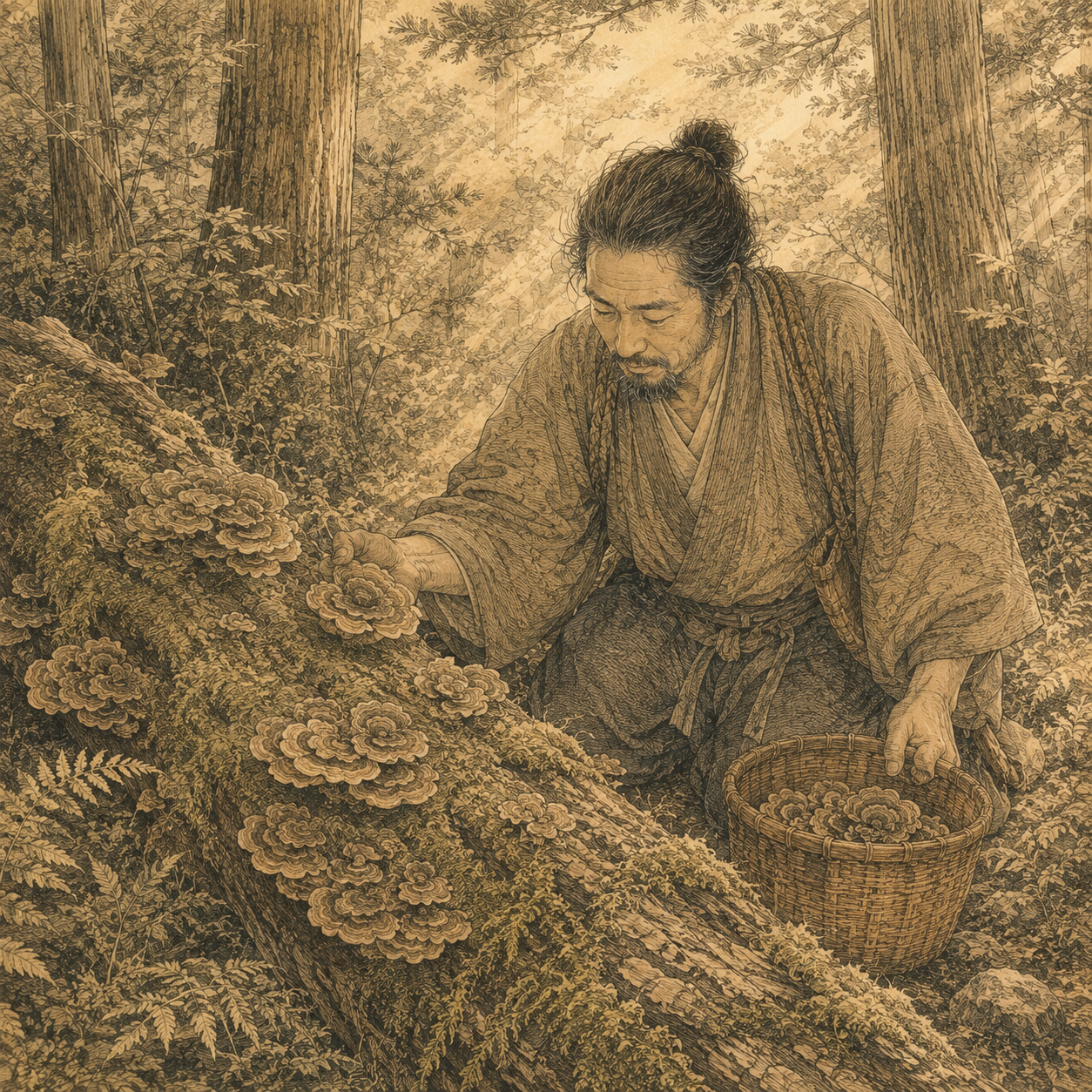
The one mushroom Japan keeps coming back to.
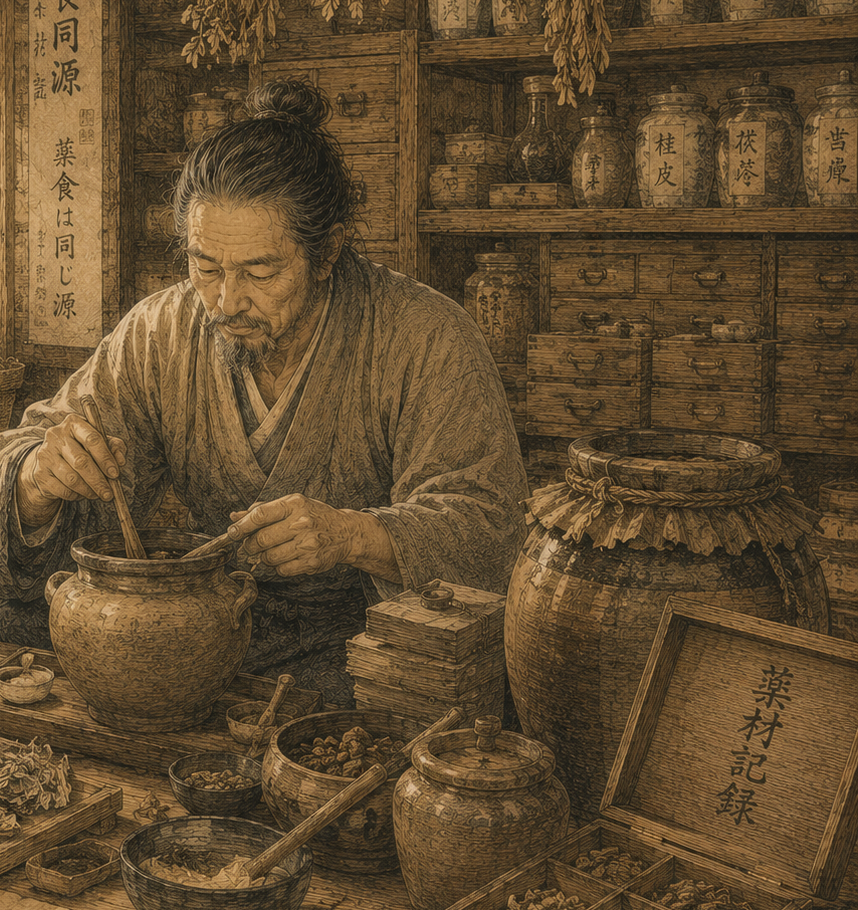
For a thousand years, Japanese herbalists kept returning to one specific mushroom for stubborn cases of lumps, stagnation, and immune confusion. Not just in animals. In humans too, where it remains part of integrative cancer and immune protocols across Japan to this day.
They called it Kawaratake. Also known as Turkey Tail.
It grows wild on fallen logs in temperate forests, in fan-shaped layers of brown and cream that look almost like striped feathers. To a casual eye, it's nothing special. To Japanese herbalists, it was the closest thing nature offered to a reset button for the immune system.
Dogs given Turkey Tail began moving better. Masses softened. Some shrank completely. Energy returned. The mushroom wasn't attacking anything. It was giving the body's own systems back their ability to do what they were supposed to do.
Today, Turkey Tail is the most-studied medicinal mushroom in the world, with more peer-reviewed research behind it than any other mushroom across immune function and cellular health.
A thousand years of patient observation arriving at conclusions modern researchers are only just beginning to confirm.
Why the Japanese never used Turkey Tail alone.
For all the mushroom could do on its own, Japanese herbalists noticed it worked better when the gut was strong.
So they paired it. Turkey Tail alongside fermented foods, cultured preparations, and the bacterial cultures that keep a gut healthy.
In modern terms, they were combining Turkey Tail with probiotics.
A thousand years later, a small group of Western holistic vets started noticing the same pattern in their own patients, and one of them built Lumiqour around it.
A concentrated dose of Turkey Tail, paired with a probiotic strain that rebuilds the gut. Two ingredients. The same pairing Japanese medicine has used for a thousand years, in a form your dog can take with a single scoop, mixed into food.
No surgery. No anesthesia. No vet visits. Just the gut and immune system, finally getting what they need to do their job.
"But can a supplement really replace surgery?"
It's the honest question. The one you're probably already asking.
The honest answer is: it isn't.
Surgery removes the lump. It doesn't change why the lump formed. Which is exactly why so many dogs come home from surgery and grow new lumps within eighteen months, often in different places, sometimes more of them than before.
Lumiqour isn't trying to compete with surgery. It's doing something surgery was never designed to do, fix what's actually causing the lumps to form in the first place.
When the gut is working again, and the immune system is getting the signal it needs, the body stops needing to make lumps. Existing ones soften. New ones stop forming. Not because anything attacked them. Because the body doesn't need them anymore.
That's the difference between cutting something out and actually fixing it.
What 90 days tends to look like.
The arc most owners describe is consistent enough to set your watch by.
Weeks 1-3: nothing dramatic yet. But something. Energy returning. Better digestion. A dog who seems more like themselves.
Weeks 4-6: the first lump softens — usually the oldest one. Smaller masses flatten.
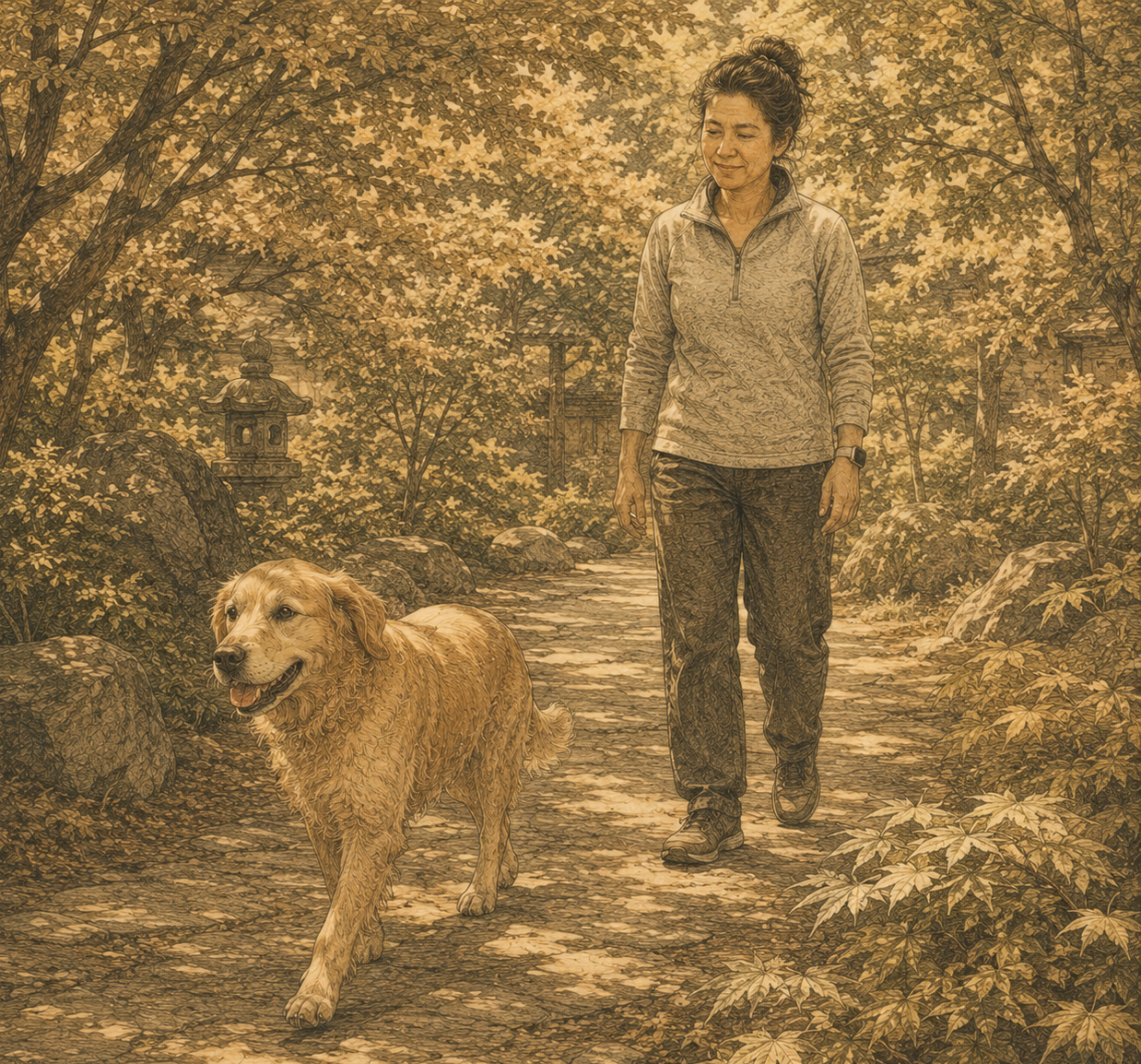
Weeks 6-12: visible shrinkage on multiple lumps. The smaller ones gone entirely. The larger ones reduced, sometimes substantially. Stiffness easing. Movement opening up. Owners using the same three words again and again, lighter, happier, back.
Some dogs respond faster. Some take longer. This doesn't run on a marketing timeline. It runs on a body's timeline.
But the direction has been consistent for a thousand years.
Where Lumiqour came from.
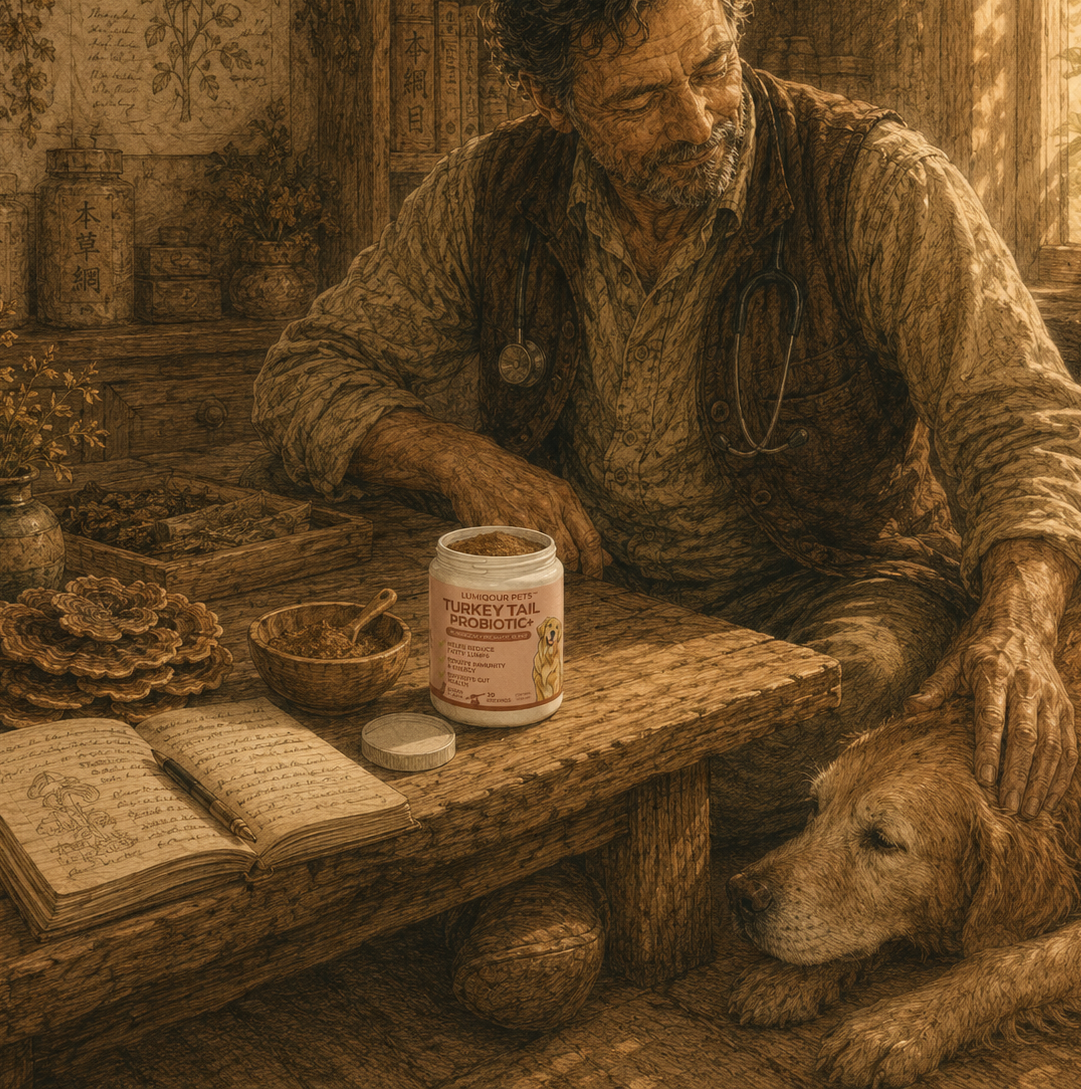
The vet who built Lumiqour started with his own dog.
He'd watched her slow down with lumps no one could explain. Did the appointments. Heard "watch and wait." Watched them keep coming. Eventually started looking outside the conventional system, and ended up in the same places Japanese herbalists had been looking for a thousand years.
What he made for his own dog became Lumiqour.
He wanted every dog to have enough of the blend to actually see results, which is why every first-time purchase gets Buy One, Get One Free. The dose dog's actually need to respond.
One scoop a day, mixed into food. Ninety days for your dog's body to do what Japanese medicine has been helping bodies do for a thousand years.
Join the thousands of dog parents already seeing the change. 👇