4.8  | 5200+ Reviews

5 out of 5 stars

5 Signs Your Dog's Extra Weight Might Be Costing You Years Together

Lean dogs live almost 2 years longer... here's how to tell if yours has weight to lose.

"He's just a little chunky" - the five words costing dogs up to 2½ years

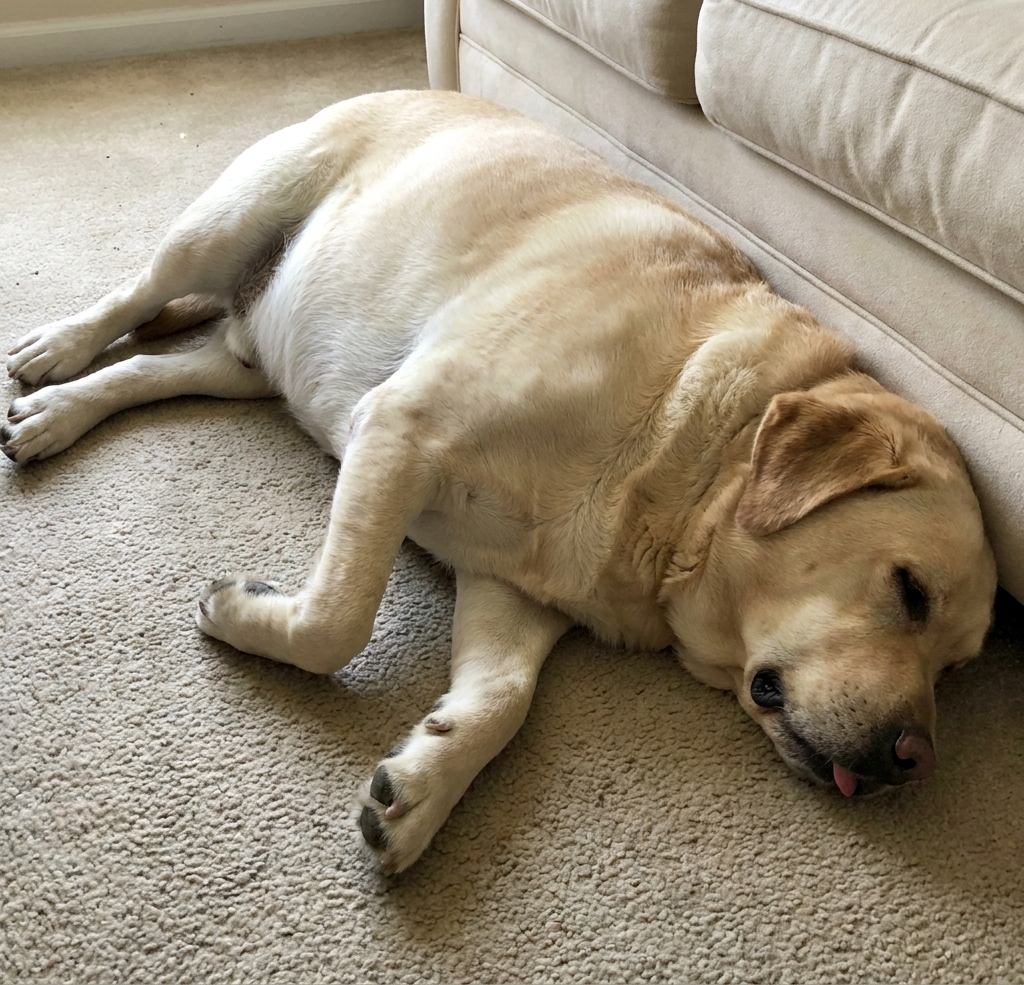
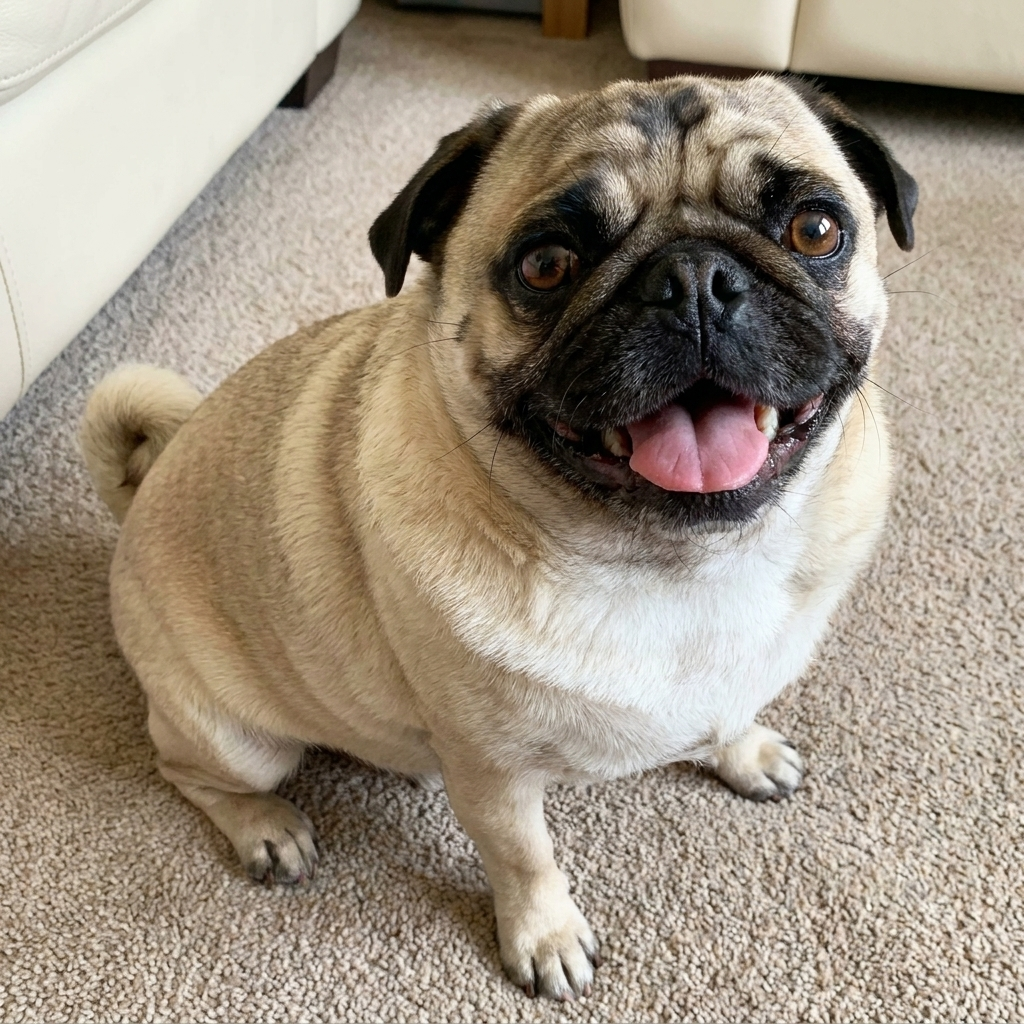
It's usually said with a smile, mid-belly-scratch: "He's just a little chunky. More of him to love."

But researchers at the University of Liverpool followed more than 50,000 dogs and found what that "little extra" actually costs: overweight dogs live up to 2½ years less than dogs kept at a healthy weight. Not sick dogs. Ordinary, happy, tail-wagging, "a-little-chunky" dogs.

Two and a half years. For a dog, that can be a fifth of a lifetime — traded away one extra scoop at a time, without anyone noticing.

And "without noticing" is the operative phrase. The Association for Pet Obesity Prevention reports that 59% of dogs in America are overweight — yet when the owners of those dogs were asked, most rated their dog's body as "completely normal."

That's not carelessness. It's that the real signs of extra weight on a dog are almost never what owners think they are.

It's not about how a dog looks. Dogs hide weight under fur, breed shape, and personality — and the signs that actually matter show up in behavior, quietly, over months.

Five of those signs follow. The first four, most owners have never connected to weight. And the fifth is the strangest of all — because it convinces thousands of owners their dog couldn't possibly be overweight, while it's quietly the reason they are.

Most owners of a heavy dog recognize at least one. Usually more.

Sign #1: They pant hard after things that shouldn't be hard

A short walk. A game of fetch that ends after three throws. Standing in a warm room.

Most owners assume panting is just "a dog thing." But here's what's actually happening inside a dog carrying extra weight:

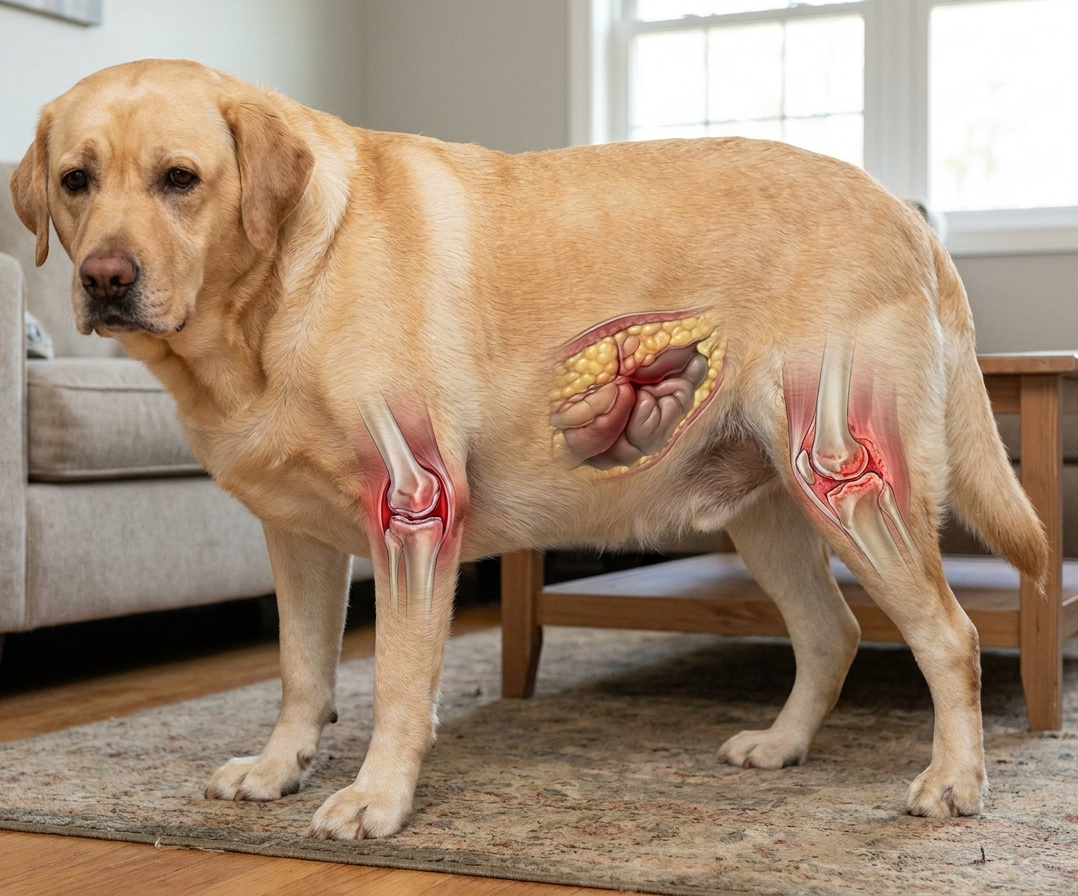
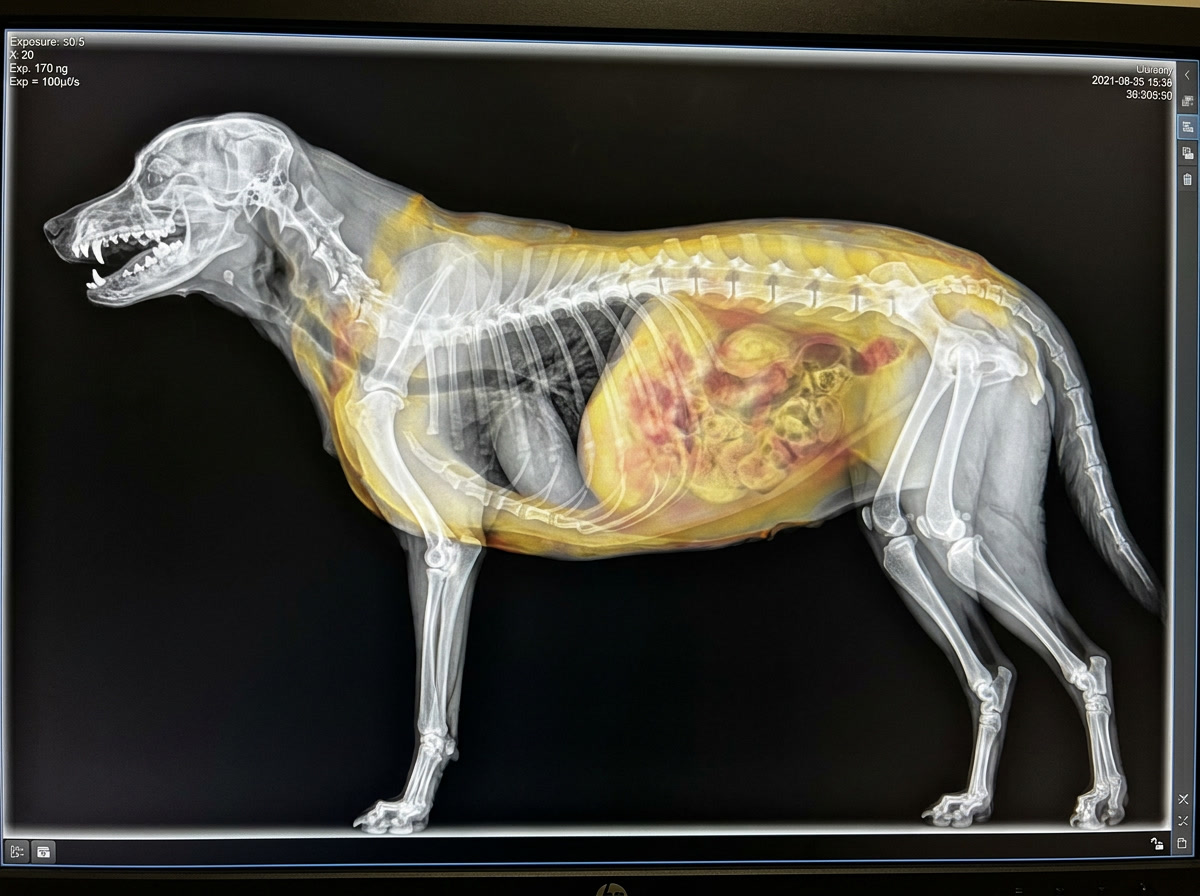
Fat doesn't just sit there. A layer of it wraps around the chest and abdomen, which means the lungs are physically working against it with every breath. And because fat is insulation, an overweight dog is effectively wearing a winter coat it can never take off — so it overheats faster, in milder conditions, doing less.

There's more. Veterinary researchers now classify body fat as hormonally active tissue — it doesn't just store energy, it releases inflammatory signals into the body around the clock. A dog carrying extra fat isn't carrying dead weight. It's carrying tissue that's actively working against it.

✓ What this looks like: heavy panting after mild activity, seeking out cold floors, slowing down on warm days that never used to be a problem.

Sign #2: Vets say it once, quietly — and most never say it again

There's a sentence vets say all the time, usually at the very end of an appointment, in the same breath as "otherwise, he looks great":

"He could stand to lose a couple of pounds."

It sounds like small talk. It isn't — and the lightness is deliberate.

The weight conversation is one of the most delicate in the exam room. In the Association for Pet Obesity Prevention's 2023 survey, 84% of veterinary professionals said it's a conversation that often lands poorly — so vets have adapted. They mention it once, gently, tucked between compliments. And if it doesn't land, many simply let it go rather than push.

Which means the casual mention was the finding. In vet-speak, "a little extra weight" isn't chit-chat. It's the assessment — delivered at a volume chosen to keep the visit pleasant.

And when weight never comes up at all, that's not an all-clear either: fewer than half of dog owners get a weight conversation from their vet even once a year. The topic gets skipped far more often than it gets raised.

✓ What this looks like: offhand vet comments — "keep an eye on it," "a touch heavy," "let's recheck in six months" — that never turn into a plan.

Video Placeholder

Sign #3: Standing up has quietly become a project

An overweight dog getting up from lying down rarely looks dramatic. There's just a pause. A shift. A front-legs-first push where there used to be one smooth motion.

Every extra pound a dog carries is loaded onto its joints thousands of times a day — every step, every stair, every jump. And dogs almost never limp first. Instead, they subtract: first the jump into the car goes, then the couch, then the stairs get slower.

Owners almost always blame age. But veterinarians see the other side of it constantly: take the weight off, and dogs start doing things their owners assumed were gone for good.

✓ What this looks like: hesitating before stairs or the couch, "thinking about it" before jumping, rising slowly from the floor.

Sign #4: The dog that used to lead walks now follows

This shift is so gradual that most owners can't say when it happened.

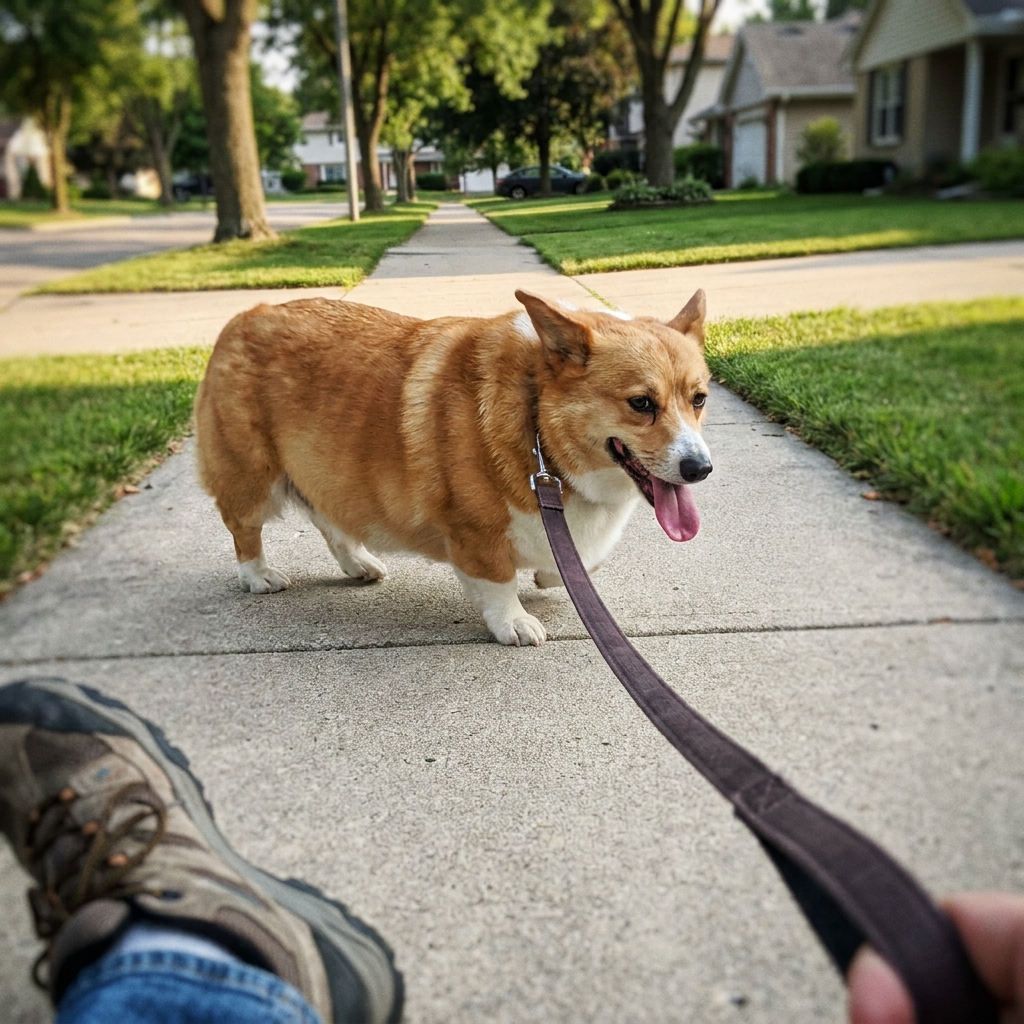
A dog at a healthy weight walks out front, pulling toward the next smell. A dog carrying extra weight drifts behind, sits down mid-route, or turns for home early. And the owner adjusts without ever deciding to — shorter routes, slower pace, "he's just not a big walker."

That adjustment is the sign. The walks didn't get longer. The dog got heavier — and its engine is working overtime to move the extra load.

The encouraging part: stamina on walks is usually one of the first things that visibly comes back when a dog starts losing weight.

✓ What this looks like: trailing behind instead of leading, sitting down mid-walk, heavy panting on routes that used to be easy.

Sign #5: The "always hungry" act isn't hunger

And here's the one promised at the start — the sign that fools even experienced dog owners.

The logic feels airtight: a dog that acts starving all day can't be overfed.

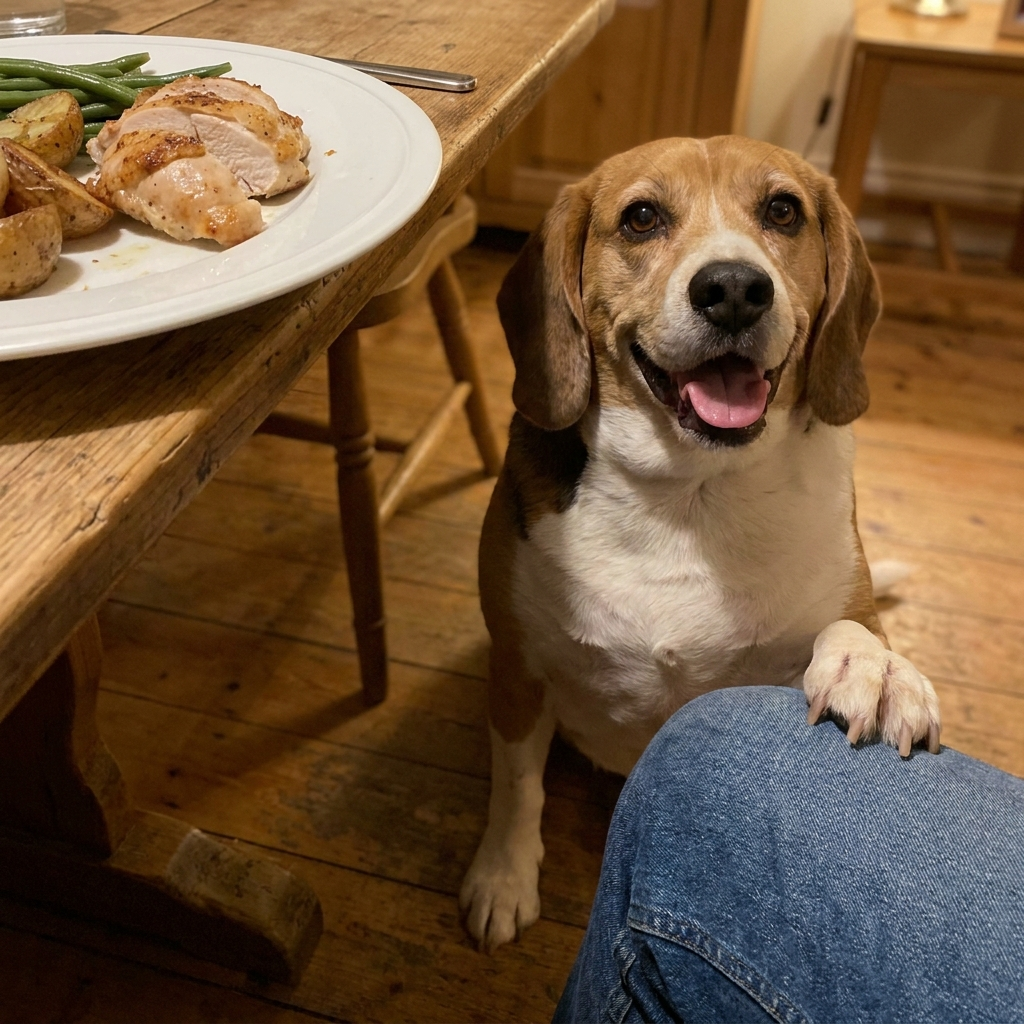
But it's exactly backwards. In dogs, constant begging is almost never hunger. It's a trained behavior — built by accident, one "just this once" at a time. The sad eyes get food. The food reinforces the sad eyes. Within months, the begging is stronger than ever — not because the dog needs more calories, but because begging works.

So the dog that "acts hungry all the time" is usually the overfed one. The behavior that convinces owners there's no problem is the mechanism creating it.

A dog that finishes a full meal and is back within the hour — pacing to the bowl, eyes locked on the kitchen — isn't showing hunger. That's the cycle, mid-loop.

✓ What this looks like: begging that starts right after meals, food gulped in seconds, "starving" theatrics for every human snack.

Almost two extra years... the study every dog owner should know about

First, what the five signs above are not: evidence of a bad owner. Nearly every overweight dog got there the same way — through love. Nobody overfeeds a dog out of neglect. It happens because saying no to that face feels like cruelty.

But here's what that love quietly costs. In a landmark 14-year study published in the Journal of the American Veterinary Medical Association, researchers followed dogs from puppyhood to the end of life. The dogs kept lean lived 1.8 years longer than their heavier siblings — and their age-related health problems arrived roughly two years later, too.

Same breed. Same genes. Same home. Almost two extra years — most of them good ones.

So the fix should be simple. Every vet gives the same advice: feed less, walk more.

Except most owners of a heavy dog have already tried it — and already know how it ends. The portions get cut, and the begging gets louder. The pacing. The staring. The guilt. Most homes hold the line for two or three weeks before the sad eyes win and the scoops drift back to where they were.

That failure isn't weakness — on either end of the leash. Here's the reframe most owners never hear: a dog's weight is almost never a discipline problem. It's a hunger problem. And hunger doesn't respond to willpower — the owner's or the dog's.

Which brings us to what actually changed the game.

Why some dogs lose weight easily. While most never do

When researchers looked at what separates dogs that successfully lose weight from dogs that yo-yo and fail, they kept circling four things — and none of them is willpower.

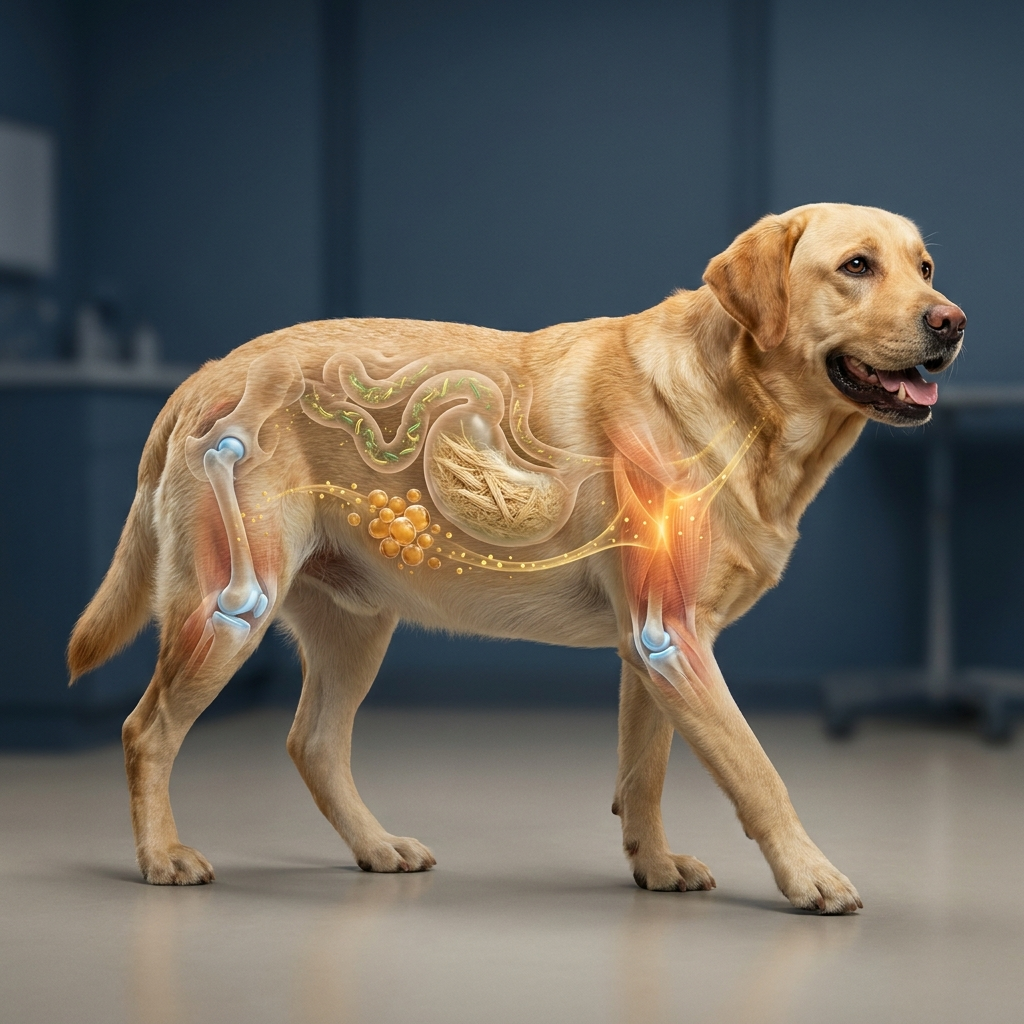
1. L-Carnitine — the fat-to-fuel compound. One of the most studied ingredients in canine weight management, and the reason it appears in prescription weight-control dog foods. L-carnitine helps the body shuttle stored fat into cells to be burned as energy. The practical effect: more of the weight that comes off is fat, and the dog has more energy while it happens — instead of dragging through the diet.

2. Natural fiber — the begging breaker. This is the answer to Sign #5. The right fiber helps dogs feel full faster, so a properly-sized portion actually satisfies — instead of triggering an hour of pacing and staring. It's the difference between a diet a dog fights every night and one it barely notices.

3. Glucosamine — the mobility guard. This is the answer to the catch-22 hiding inside Sign #3. Extra pounds strain a dog's joints, sore joints mean less movement — and less movement makes the weight even harder to lose. Glucosamine, the most recognized joint-support ingredient in the pet world, supports the cartilage those joints depend on, so a dog stays comfortable and moving while the weight comes down. It keeps the exercise half of the equation possible.

4. Probiotics — the foundation. A dog's gut determines how well food is digested and how calories get used. Probiotics support healthy digestion and a balanced gut — the base layer the other three work on top of.

The pattern is worth noticing:

✓ One works on burning fat

✓ One works on feeling full

✓ One works on moving comfortably

✓ One works on digestion

Four different ingredients, four different jobs — attacking the same problem from four directions at once. That's why they show up together in the veterinary weight-management world, and almost never alone.

Video Placeholder

The discovery was the easy part. Getting it into a dog is the hard part.

Here's the problem nobody talks about: knowing these four ingredients exist doesn't help anyone at 6pm, standing over a dog that won't touch a pill.

Powders get sniffed out. Pills get spat behind the couch. Prescription diets mean throwing out the food a dog already loves — and paying vet prices forever.

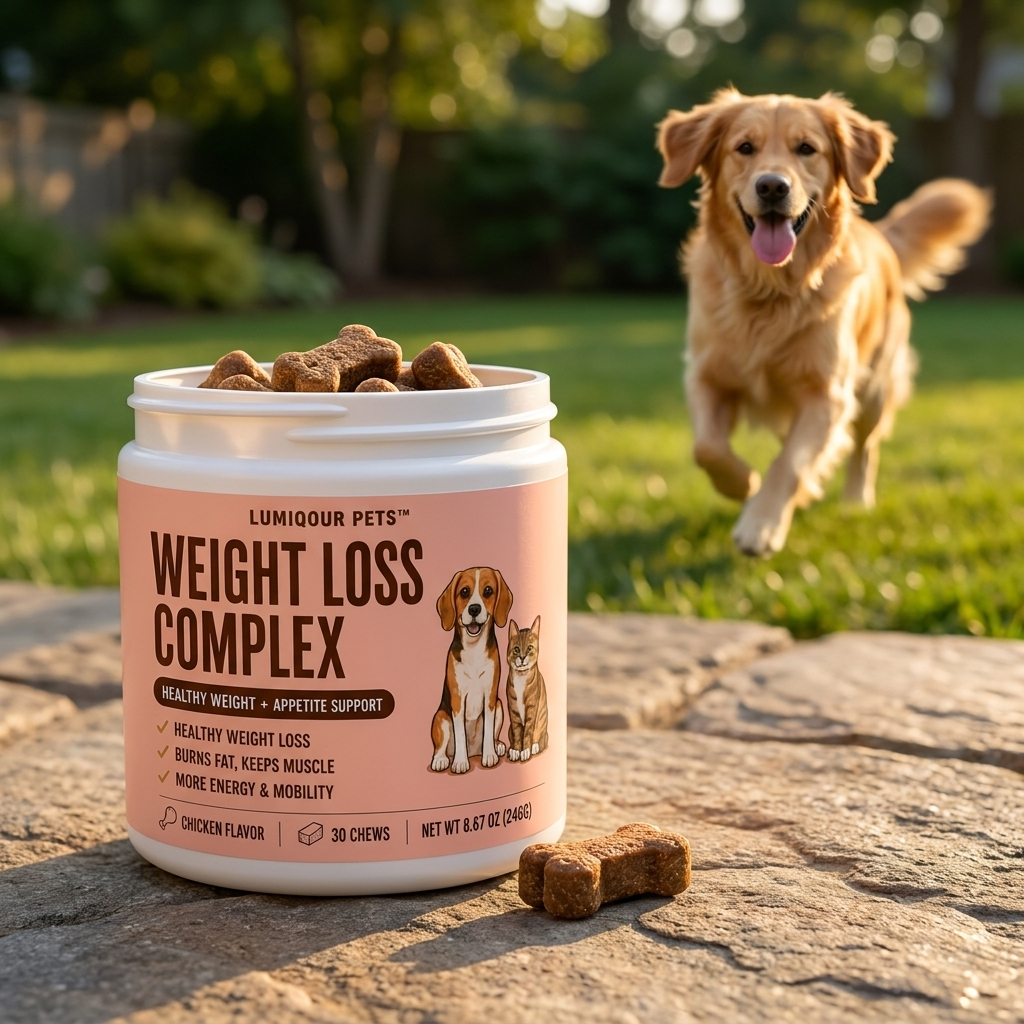
That's the gap Weight Loss Complex Chews by Lumiqour was built to close: L-carnitine, natural fiber, glucosamine, and probiotics — all four, in one daily chew a dog takes like a treat.

No pills to hide. No powders to mix. No changing the food in the bowl. The chew disappears like a treat, and the ingredients go to work in the background.

And because weight comes off dogs gradually, here's the arc owners watch for — in order:

Weeks 1–3 · The bowl changes first. The earliest change isn't on the scale. It's dinner ending — the dog finishes, feels full, and walks away. The post-meal begging starts losing its edge.

Weeks 4–6 · The energy shows up. More interest at the door when the leash comes out. Walks that last longer before the slowdown. Less panting for the same effort.

Weeks 7–9 · The shape comes back. This is when it becomes visible — the narrowing behind the ribs starts to reappear, and the view from above changes first. Friends and family tend to notice around now, too.

Weeks 10–12 · The subtractions reverse. The couch. The stairs. Leading walks instead of trailing them. The things a dog quietly gave up, coming back one by one.

And the part owners don't expect: the owner stops being the villain at dinnertime. The chew handles the hunger — so feeding less finally stops feeling like a fight.

Almost two extra years. It starts with one chew a day.

Every dog is different, and it's natural for any owner to be cautious about trying something new — especially for the companion who means everything.

Lumiqour's Promise:

🏆 90-Day Money-Back Guarantee

💯 100% Satisfaction

🐾 For Dogs of Every Breed, Size & Age

Our Risk-Free Commitment:

If Weight Loss Complex Chews don't deliver the results we promise within 90 days, the order is refunded — in full. Just a straightforward, worry-free guarantee that puts a dog's health and happiness first.